
Here's a problem you're probably facing right now: Your website gets visitors. Your social media has followers. But converting those people into loyal customers? That's where things get messy.
You're sending the same emails to everyone. Your website shows the same homepage to a first-time visitor and a returning customer ready to buy. And when someone abandons their cart at 2 AM, you're stuck waiting until business hours to figure out why.
The good news? We're living through a massive shift in how businesses connect with customers. AI personalization isn't some distant future tech: it's happening right now in 2026, and it's already changing the game for businesses that embrace it.
The Expectation Gap That's Costing You Customers
Let's start with some numbers that should make you sit up straight.
71% of consumers expect personalized interactions when they visit your website or contact your business. And here's the kicker: 76% get frustrated when that personalization doesn't happen. That's three out of four potential customers walking away because you treated them like everyone else.
But it gets more interesting. Only 15% of chief marketing officers believe their company is actually on the right track with personalization. That gap between what customers expect and what businesses deliver? That's your opportunity.
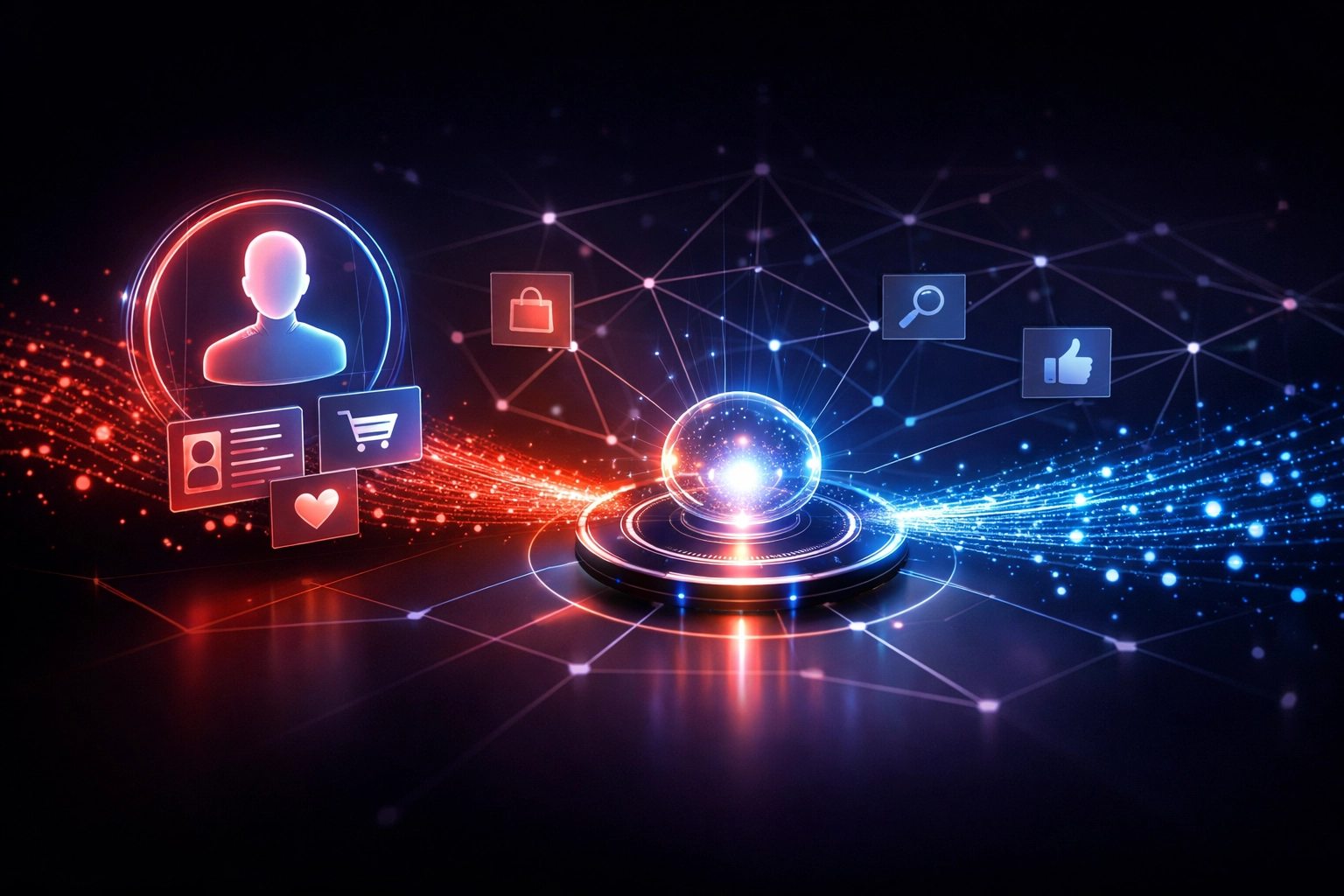
Nearly two-thirds of consumers specifically expect more personalized service powered by AI. They're not scared of it. They're waiting for it. And if you're not delivering it, your competitors will.
What AI Personalization Actually Means for Your Business
Forget the sci-fi stuff. AI personalization in 2026 is about remembering your customers the way a great local shop owner remembers their regulars.
It's knowing that Sarah always buys blue running shoes in size 8. That Marcus abandoned his cart last week because shipping costs surprised him at checkout. That Jennifer browses your site every Tuesday during lunch but only buys on weekends.
AI analyzes everything: browsing history, purchase patterns, time spent on pages, items compared, questions asked, and even behavior patterns like when customers hesitate before clicking "buy." It creates a complete picture of each person, not as part of a demographic segment, but as an individual with specific preferences and behaviors.
Think of it as a loyalty multiplier. Every interaction your customer has teaches the AI something new. That knowledge compounds over time, making each subsequent interaction more relevant and valuable.
The Human-AI Partnership That Actually Works
Here's where most business owners get nervous: "Is AI going to replace my customer service team?"
No. And that's not just reassuring talk: it's practical reality.
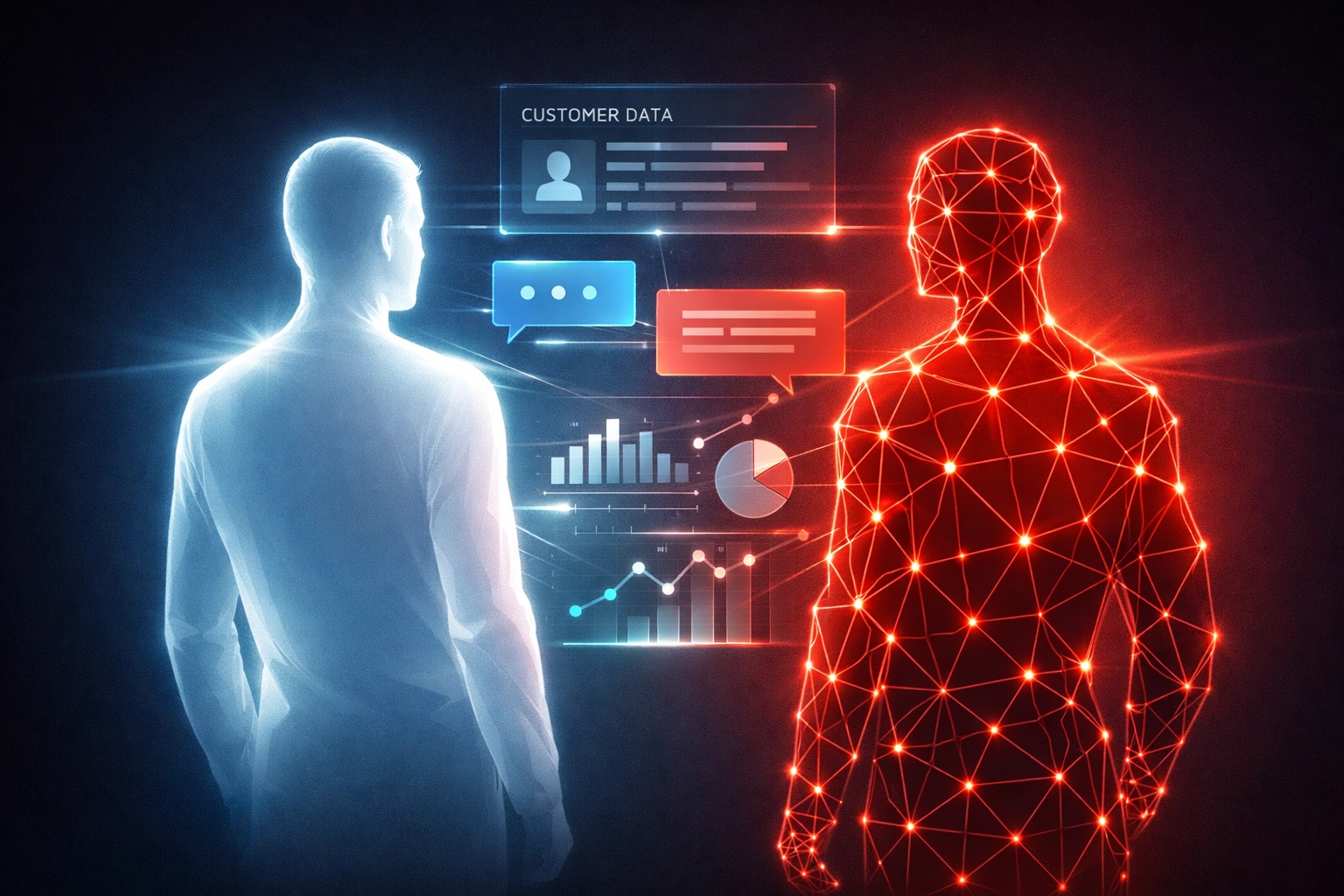
The smartest approach in 2026 is letting AI handle the repetitive pattern recognition while your human team focuses on what they do best: building genuine relationships and handling complex situations that require empathy and creative problem-solving.
Here's how this partnership plays out in real scenarios:
AI detects the signals. Someone's comparing three similar products for the fourth time this week. They've read reviews, checked your FAQ, and added items to their cart twice without completing purchase. Those are high-intent risk signals.
AI takes the next best action. Instead of letting that person slip away, the AI surfaces the most relevant product comparison, highlights a specific review that addresses common concerns, or offers a guided comparison tool: all without human intervention needed.
Humans step in when it matters. If the customer still hesitates or has a complex question, they're routed to a human agent who already knows their entire journey. No repeating information. No starting from scratch. Just a natural continuation of their experience.
Your team responds faster because they're not buried in routine questions. They're freed up to focus on the 20% of interactions that truly need human judgment, creativity, and emotional intelligence.
Real Examples of AI Personalization in Action Right Now
Let's get concrete with what this looks like for different types of businesses in 2026.
E-commerce stores are using AI to adjust product recommendations in real-time based on browsing behavior. If someone's spending time on winter coats but keeps returning to a specific color palette, the AI learns that preference and adjusts recommendations across the entire site accordingly.
Service businesses are personalizing consultation scheduling. The AI remembers that certain clients prefer morning appointments, books them automatically for the next available slot in their preferred time window, and even adjusts reminder timing based on when each person typically confirms.
B2B companies are customizing entire website experiences. A returning visitor from a manufacturing company sees case studies from similar manufacturers, relevant product configurations for their industry, and content tailored to their position (operations manager vs. CEO see different pain points addressed).
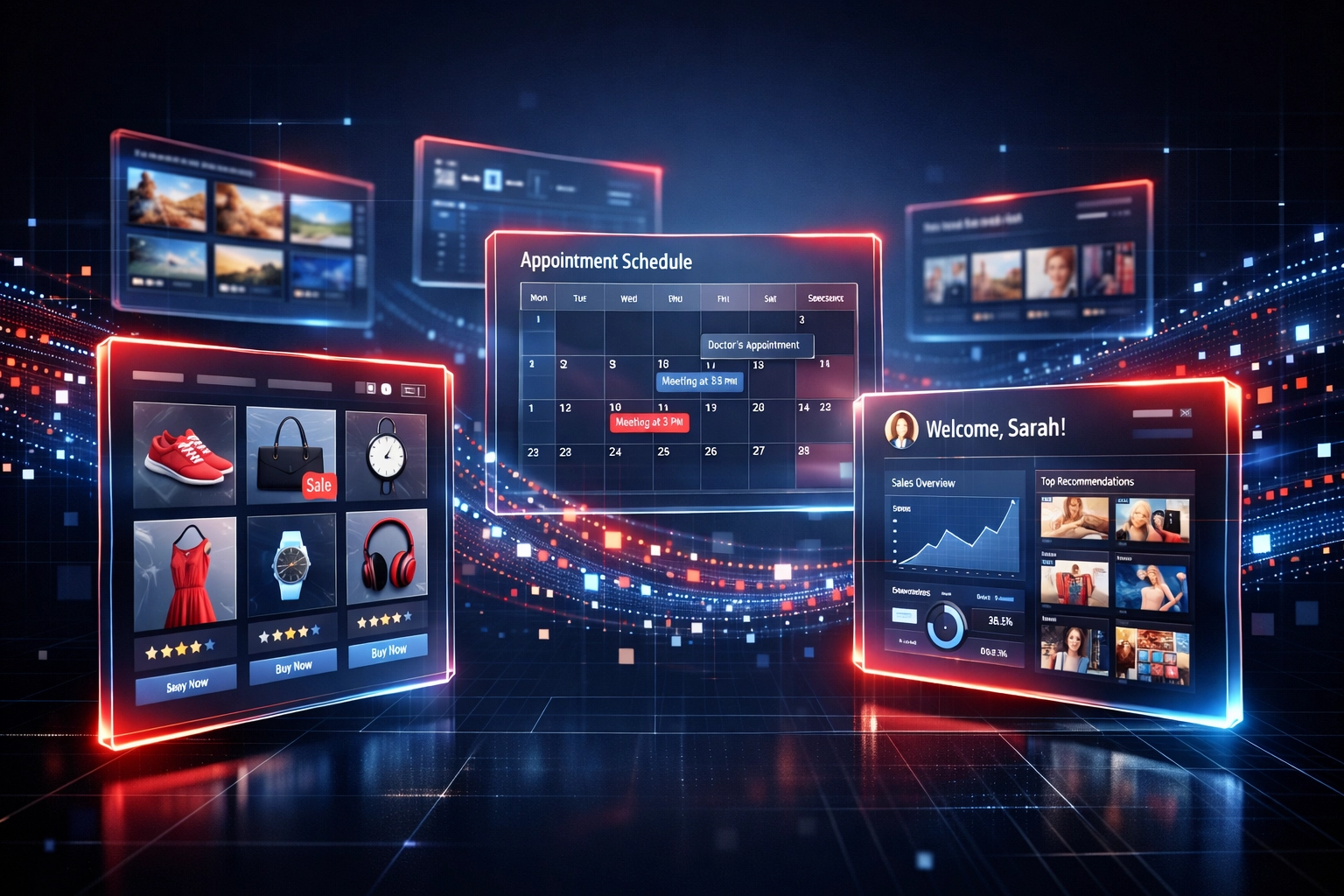
Local businesses are using AI to remember ordering preferences, dietary restrictions, and even things like "always extra parking validation" or "prefers text reminders over email." These small touches create massive loyalty.
The Fine Line Between Helpful and Creepy
Let's address the elephant in the room: AI personalization can absolutely feel invasive if done wrong.
The difference between helpful personalization and creepy surveillance comes down to three things: transparency, control, and value.
Transparency means customers know you're personalizing their experience and understand (generally) how it works. A simple "We remember your preferences to make shopping easier" goes a long way.
Control means giving customers the ability to manage their data, opt out of certain personalization features, or reset their preferences. When people feel in control, personalization feels like service rather than manipulation.
Value means the personalization genuinely makes their life easier. Showing someone ads for products they already bought? Creepy and useless. Suggesting complementary products they'll actually need? Valuable.
The businesses winning with AI personalization in 2026 are the ones who ask, "Does this make our customer's life better?" before implementing any feature.
What This Means for Your Business Starting Today
If you're reading this thinking "this sounds great but complicated," I get it. But here's the truth: you don't need to transform your entire operation overnight.
Start with one customer touchpoint where personalization would make the biggest difference. For most businesses, that's either:
- Post-purchase experience: Personalizing order updates, shipping notifications, and follow-up based on what someone bought
- Website experience: Showing returning visitors content relevant to what they've previously browsed or purchased
- Email communication: Moving beyond "Dear [First Name]" to actually personalizing content, timing, and offers based on behavior
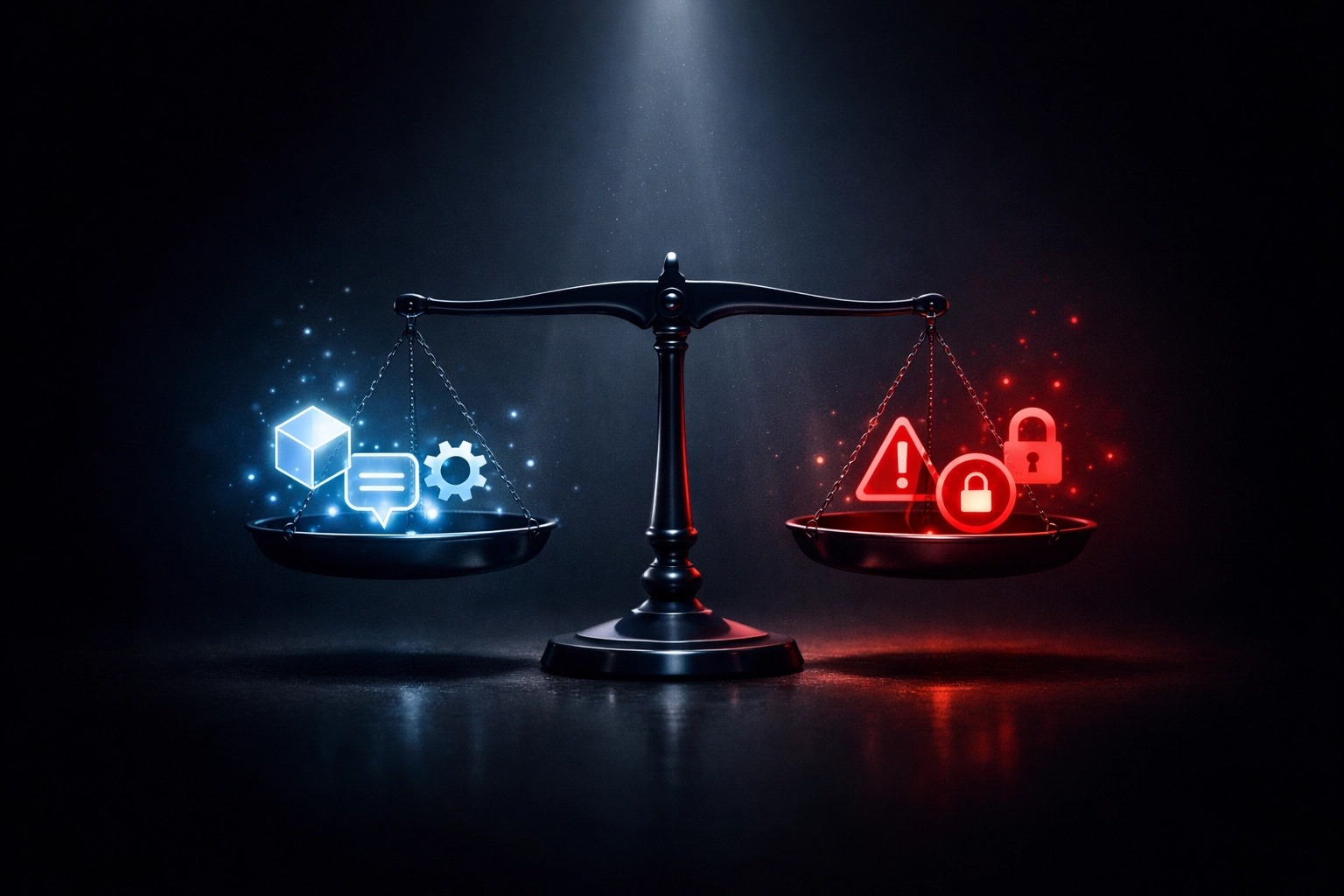
The businesses that will thrive in 2026 and beyond aren't necessarily the ones with the biggest AI budgets. They're the ones who understand that personalization is about respect: respecting your customers' time, preferences, and intelligence enough to treat them as individuals rather than statistics.
The Competitive Advantage Is Real
Here's what keeps me excited about AI personalization: it's still early enough that implementing it well gives you a genuine competitive edge.
While your competitors are still sending the same generic emails to everyone on their list, you can be delivering experiences that feel tailored and relevant. While they're making customers repeat their problems to three different support agents, you can be providing seamless, context-aware service.
The technology is here. The customer expectations are set. The only question is whether you're going to meet them.
At Ingenious Digital, we're helping businesses navigate this shift: not with hype or overnight promises, but with practical implementations that drive real results. Because AI personalization isn't about replacing the human touch in your business. It's about amplifying it in ways that were impossible before.
The way you connect with customers is changing. The businesses that change with it: thoughtfully, strategically, and human-first: are the ones that will build lasting relationships and loyalty in an increasingly competitive landscape.
Your customers are ready for personalized experiences. The question is: are you ready to deliver them?