
You've jumped on the AI train. You're personalizing everything, emails, landing pages, product recommendations. Your marketing automation dashboard looks like a NASA control room.
So why are your conversion rates still stuck at 2.3%?
Here's the uncomfortable truth: 87% of business owners are using AI to personalize their marketing, but less than 18% see meaningful conversion improvements. The problem isn't the technology. It's that your AI content sounds exactly like what it is, a robot trying to pretend it knows your customers.
I've seen this firsthand with dozens of small businesses. They adopt AI personalization, blast out "customized" messages to everyone, and wonder why their audience starts hitting unsubscribe faster than you can say "Hi [FIRST_NAME]."
But here's what's exciting: The businesses that get AI personalization right in 2026? They're seeing 3-5x better engagement and conversion rates that would make your competitors weep into their generic email templates.
Let me show you how to be one of them.
The Fatal Mistake: Personalizing Everything (And Exhausting Everyone)
Remember when Netflix recommended you watch "Toddlers & Tiaras" right after you binged a documentary about astrophysics? That's what happens when AI personalization goes wrong.
The biggest trap isn't using AI. It's personalizing without purpose.
Most businesses think: "If we can personalize it, we should." Wrong. Dead wrong.
Your customers don't want 47 personalized touchpoints a week. They want the right message at the right time when they're actually ready to hear it. There's a massive difference.
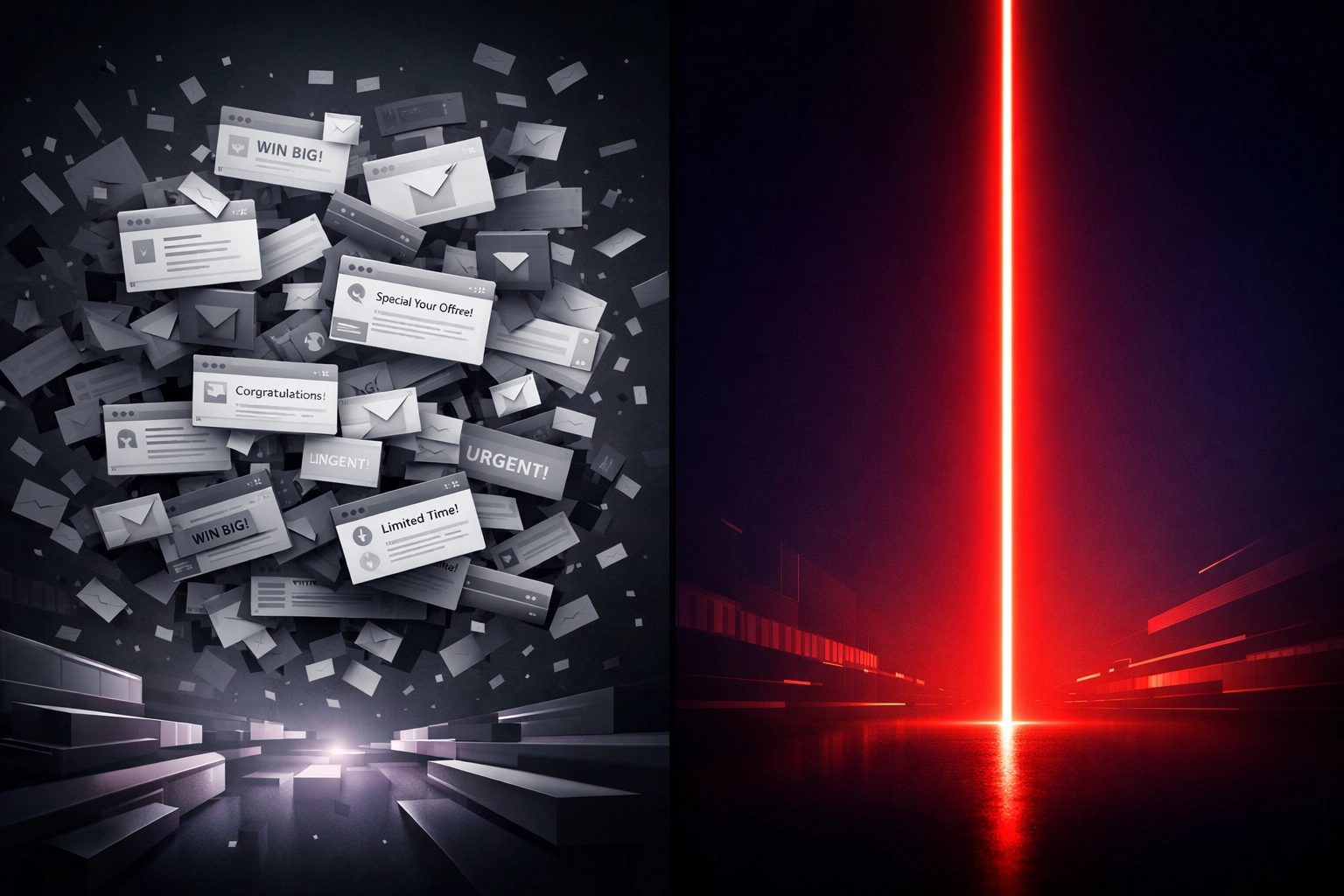
Think about your own inbox. You know that feeling when you get an email that's clearly automated but pretending not to be? "Hey Pascal, I noticed you viewed our pricing page 6 days ago at 2:47 PM…" It's creepy. It's transparent. And it doesn't convert.
The fix: Shift from frequency to intent. Instead of asking "How can we personalize this?", ask "Does this person actually need this message right now?"
Your AI Needs Voice Training (Just Like You Trained Your Team)
Here's what separates converting AI content from robotic garbage: training your AI on your actual brand voice, not just feeding it prompts.
Most business owners treat AI like a magic wand. They type "Write me a promotional email" and expect gold. What they get is generic slop that sounds like every other AI-generated email on the planet.
The businesses crushing it in 2026? They're spending 15-20 hours upfront teaching their AI systems how they communicate. Their tone. Their values. Their specific way of explaining things. The phrases they would never use. The stories they tell.
One manufacturing client we worked with spent a month feeding their AI system actual customer service conversations, sales call transcripts, and their best-performing email campaigns. The result? AI-generated content that their longtime customers couldn't distinguish from human-written messages. Their click-through rates jumped from 3.1% to 11.8% in six weeks.
That's not magic. That's proper training.
First-Party Data: Your Secret Weapon Against Robot Voice
Want to know why your AI content sounds robotic? You're feeding it crap data.
Third-party demographic data tells you someone is a "male, 35-44, interested in business." Cool. So are 14 million other people. How does that help you write compelling, personalized content?
First-party data: what people actually do on your website, what they buy, what they ignore: that's where the gold lives. Combined with zero-party data (what customers directly tell you through surveys, preference centers, or quizzes), you can create profiles that actually mean something.
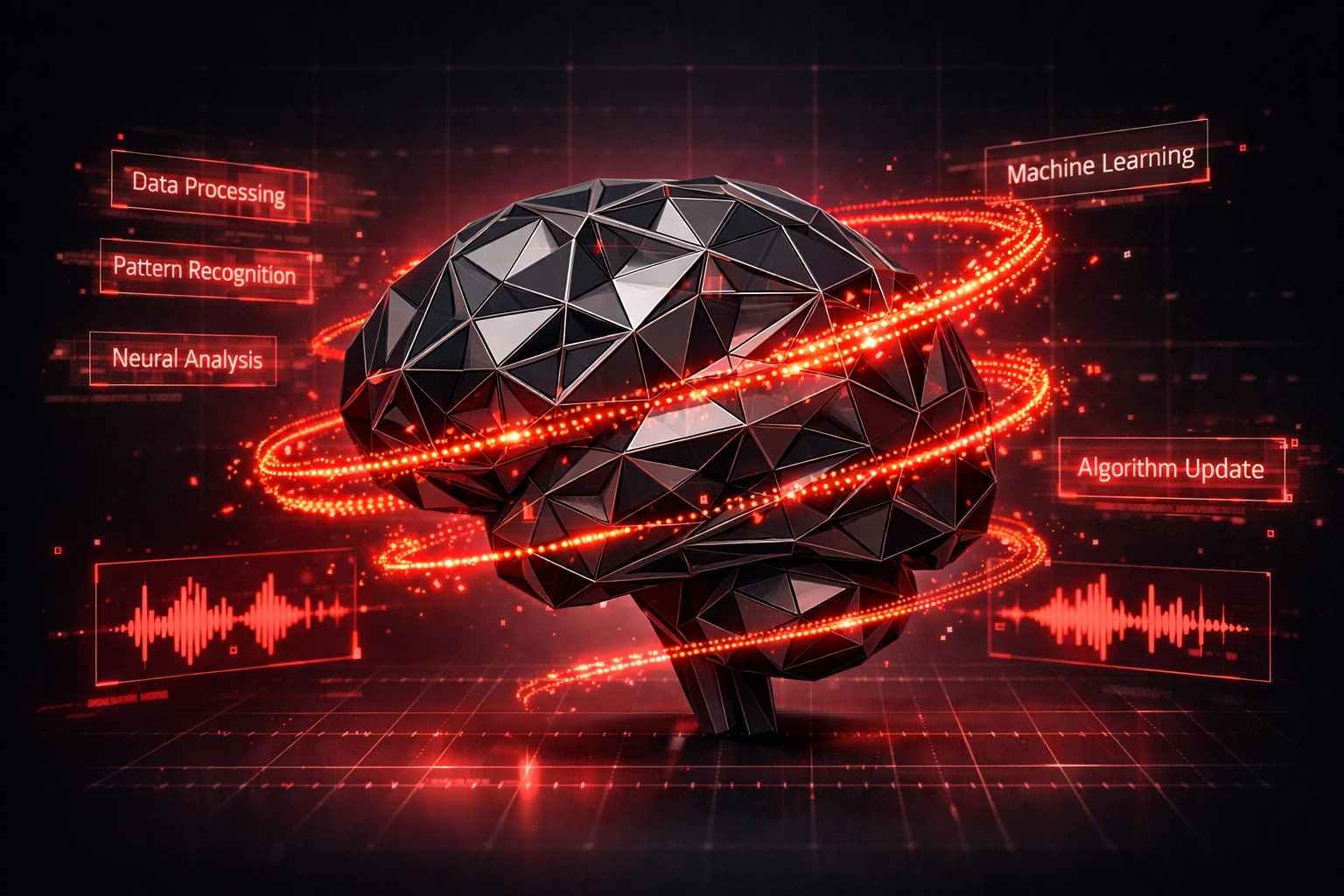
Here's a real example: Instead of personalizing based on "small business owner in Florida," try personalizing based on "visited the automation solutions page 4 times, downloaded the ROI calculator, but hasn't requested a demo." That person is clearly interested but has a specific roadblock. Your AI should identify that pattern and trigger a message addressing common hesitations: not just blast them with a generic "Schedule your demo today!"
This is where companies leave money on the table. They have behavioral data sitting in their analytics but never connect it to their personalization engine.
Let AI Be Your Research Assistant, Not Your Creative Director
The smartest approach I've seen in 2026? AI handles the analysis; humans drive the strategy.
Your AI should tell you:
- When Sarah tends to engage with emails (Tuesday mornings, apparently)
- Which product categories drive repeat purchases
- What behavioral patterns indicate someone's ready to buy
- Which messaging angles perform best with different segments
But your AI shouldn't decide your brand's creative direction, relationship strategy, or core messaging. That's on you.
Think of it like having a really smart intern who can analyze patterns at superhuman speed but still needs your guidance on what matters. The intern can tell you that 68% of your qualified leads visit your pricing page twice before converting. You decide how to use that insight strategically.
One 23-person digital agency I know uses AI to identify optimal send times and message triggers, but every piece of content gets a human review and edit. Their conversion rates? 4.7x higher than the industry average. Their secret isn't advanced AI: it's knowing where AI helps and where humans must lead.
Privacy Isn't a Buzzkill: It's Your Competitive Edge
Let's talk about the elephant in the room: Personalization without permission feels invasive.
The winning play in 2026? Make privacy part of your value proposition. Be transparent about what data you collect and offer genuine value in exchange.

Companies that treat customer data like a precious resource they're honored to protect? They're building trust that converts better than any AI trick. Companies that grab everything they can and personalize aggressively? They're building suspicion.
Try this: Offer a 15% discount for completing a preference survey. Give early access to new features for sharing communication preferences. Create a preference center where customers control what they receive.
When someone willingly tells you they prefer video tutorials over written guides, you're not being creepy by sending them video tutorials. You're being helpful. That's the difference between personalization that converts and personalization that creeps people out.
The 2026 Personalization Framework That Actually Works
Here's how to structure your AI personalization so it converts instead of annoys:
Week 1-2: Audit Your Current Data
Review what first-party and zero-party data you're actually collecting. Most businesses are sitting on conversion gold and don't even realize it. Check your website analytics, CRM behavior tracking, and customer communication history.
Week 3-4: Train Your AI on Your Brand Voice
Feed your AI system your best content: emails that got responses, sales conversations that closed deals, customer service interactions that resolved issues. This isn't a one-time thing; it's an ongoing training process.
Week 5-6: Define Behavioral Triggers That Matter
Identify 5-8 behavioral patterns that actually indicate buying intent or specific needs. Forget demographic personalization. Focus on actions that reveal what someone needs right now.
Week 7-8: Implement Smart Timing
Let AI analyze when your messages actually get engagement. Then respect those patterns. If your audience ignores emails after 6 PM, stop sending them at 7 PM just because "personalization" says they're online.
Ongoing: Test, Refine, Humanize
Review your AI-generated content weekly. Where does it sound robotic? Where does it miss the mark? Use those insights to improve your training data.
What This Looks Like in Practice
One of our e-commerce clients implemented this framework in December. Instead of personalizing product recommendations for everyone, they focused on three high-intent behavioral triggers: abandoned cart with 3+ items, repeat visitors to a specific category, and customers browsing after a previous purchase.
Their AI analyzes these behaviors and suggests personalized messaging, but their marketing team crafts the actual content based on the brand voice they've trained into the system.
The results in the first 90 days?
- Cart recovery rate jumped from 12% to 34%
- Repeat purchase rate increased by 47%
- Email unsubscribe rate dropped from 4.2% to 1.1%
That's what happens when AI personalization feels like a helpful friend instead of a creepy stalker.
Your Next Move
Here's your homework this week: Pull up your last 10 "personalized" marketing messages. Read them out loud. Do they sound like something a real person would say to another real person? Or do they sound like a robot trying really hard to seem human?
If it's the latter, you know what to do.
The opportunity in 2026 isn't using AI to personalize everything. It's using AI to personalize the right things in a way that feels genuinely helpful, respectfully timed, and authentically you.
That's how you convert. That's how you build relationships. That's how you win while your competitors are still wondering why their fancy AI isn't delivering results.
Ready to transform your marketing with automation that actually works? Check out our automation solutions or explore more insights on our blog. The future of personalization isn't more AI; it's smarter AI with a human heart.