
Here's something that'll make you rethink your entire digital strategy: 60% of all Google searches now end without anyone clicking on your website. That's right, more than half of your potential customers are getting their answers, making decisions, and moving on without ever visiting your carefully crafted landing pages.
And if you're targeting mobile users? That number jumps to a staggering 77.2%.
Welcome to 2026, where traditional SEO is being disrupted by zero-click searches and AI-powered answer engines. The rules have changed, and if you're still playing the old game, you're losing traffic, and revenue, every single day.
The Numbers That Should Wake You Up
Let's get real about what's happening. Between 2023 and 2025, zero-click search rates exploded from 47% to 75%, that's a 59.6% increase in just two years. For many businesses, this has translated to organic traffic declines of 70-80% compared to 2024 levels.
The culprit? Google's AI Overviews.
These AI-generated summaries now appear in 35% of all search queries, up from just 3% during testing phases. Between January and March 2025 alone, AI Overviews expanded by 102%. And they're not going anywhere, they're becoming the default experience for most informational and commercial investigation searches.

Here's the kicker: AI Overviews reduce click-through rates by approximately 47%. That means nearly half of the traffic you could be getting is vanishing into thin air because Google is answering questions right there on the results page.
For a small business that was getting 10,000 monthly visitors from organic search, that's 4,700 potential customers who never make it to your website. If your conversion rate is just 2%, that's 94 lost conversions every month. Do the math on your average customer value, and you'll see why this matters so much.
The Geographic Blindspot Most Businesses Are Missing
Now let's talk about something even more critical for local businesses: geographic search optimization in the zero-click era.
If you're a local business: whether you're running a restaurant in Fort Lauderdale, a consulting firm in Delray Beach, or a service company in South Florida: you need to pay attention to this: zero-click rates for local queries have climbed from 40% in 2023 to 70% in 2025. That's a 75% increase.
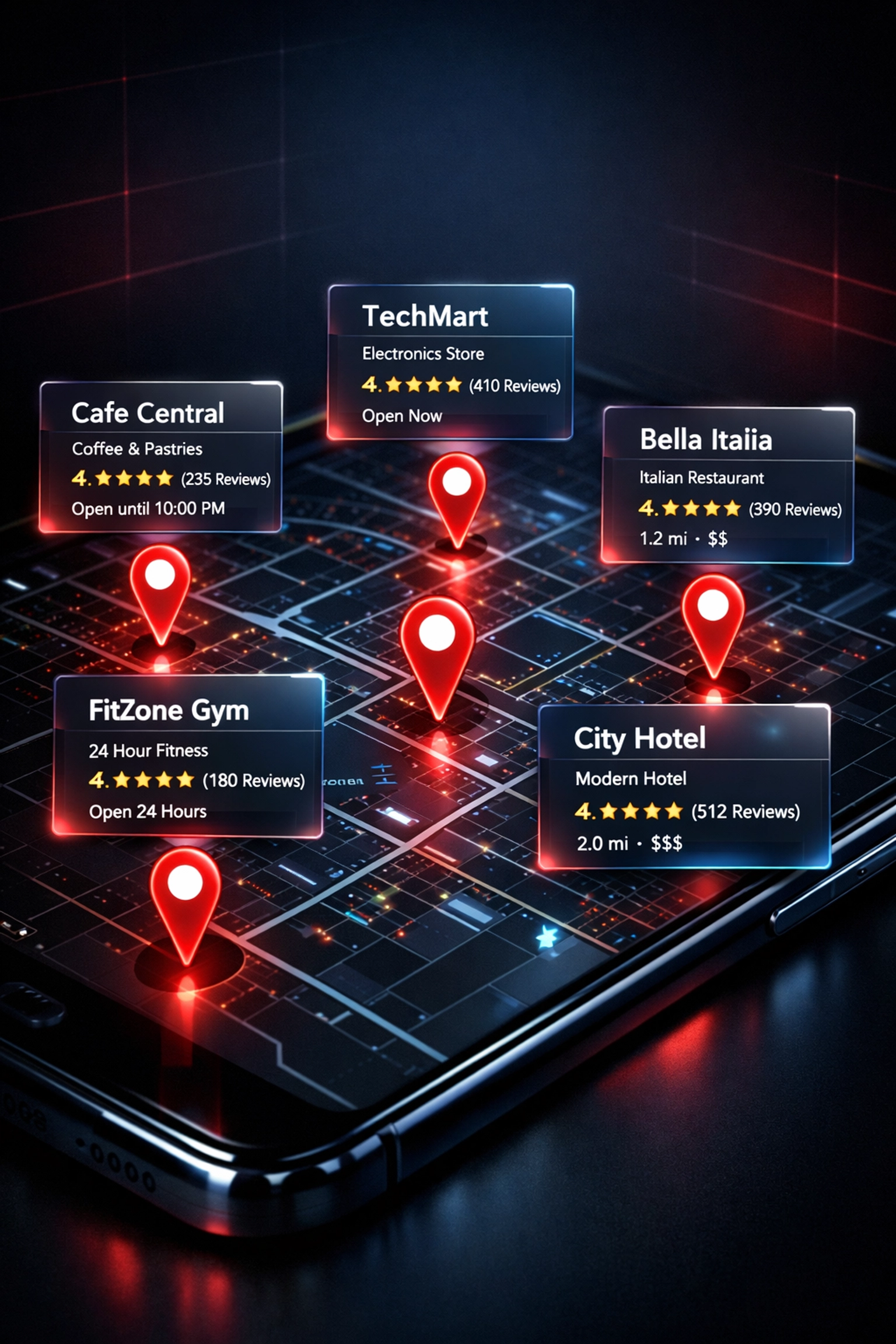
Think about what happens when someone searches "best digital marketing agency near me" or "web development services in Miami." Google Maps results, local packs, and AI-generated answers are serving up information without sending anyone to your website.
But here's where it gets interesting: and where opportunity still exists.
Why Zero-Click Doesn't Mean Zero-Value
Before you panic and throw your entire digital strategy out the window, understand this: visibility still matters, even without the click.
When your business appears in AI Overviews, featured snippets, or knowledge panels, you're building brand authority and recognition. Users see your name, they remember it, and when they're ready to buy, they know who to contact.
The shift we're seeing isn't about the death of search traffic: it's about the evolution of how customers discover and evaluate businesses. Your content can still reach users and influence decisions, just through different mechanisms.
The New Playbook: Optimizing for AI Overviews and Zero-Click Dominance
So what do you actually do about this? Here's the honest, practical framework that's working in 2026:
1. Target the Right Query Types Strategically
Not all searches are created equal anymore. Informational queries ("how to improve website conversion rates," "what is generative engine optimization") now result in zero-click outcomes 89% of the time, up from 65% just three years ago.
Commercial investigation queries ("best CRM for small business," "marketing automation platforms comparison") hit 45% zero-click, up from 20%.
Your strategy? Create content that serves both purposes: give the quick, extractable answer that AI systems love, then provide the depth and context that makes people want to click through for more.
2. Master the Art of Featured Snippets
Featured snippets still drive 18% of zero-click searches, and they're one of the few places where you can capture attention even in a zero-click environment. The key is formatting your content with:
- Clear, concise answers in the first 40-60 words
- Bulleted or numbered lists for step-by-step processes
- Tables for comparisons or data
- Proper heading hierarchy (H2, H3, H4) that AI systems can parse
When you nail a featured snippet, you're essentially hijacking the #1 position: even if users don't click, they're seeing your brand as the authority.
3. Structure Content for AI Extraction
AI Overviews pull from 7-10 different sources to create their summaries. To get included, your content needs:
- Clean structure and hierarchy: Use descriptive subheadings that clearly label what each section covers
- Framework-based content: Present information in repeatable patterns (3-step processes, 5-factor frameworks, before/after scenarios)
- Data and specifics: Include actual numbers, percentages, timeframes, and concrete examples
- Authoritative sourcing: Reference studies, cite data, demonstrate expertise
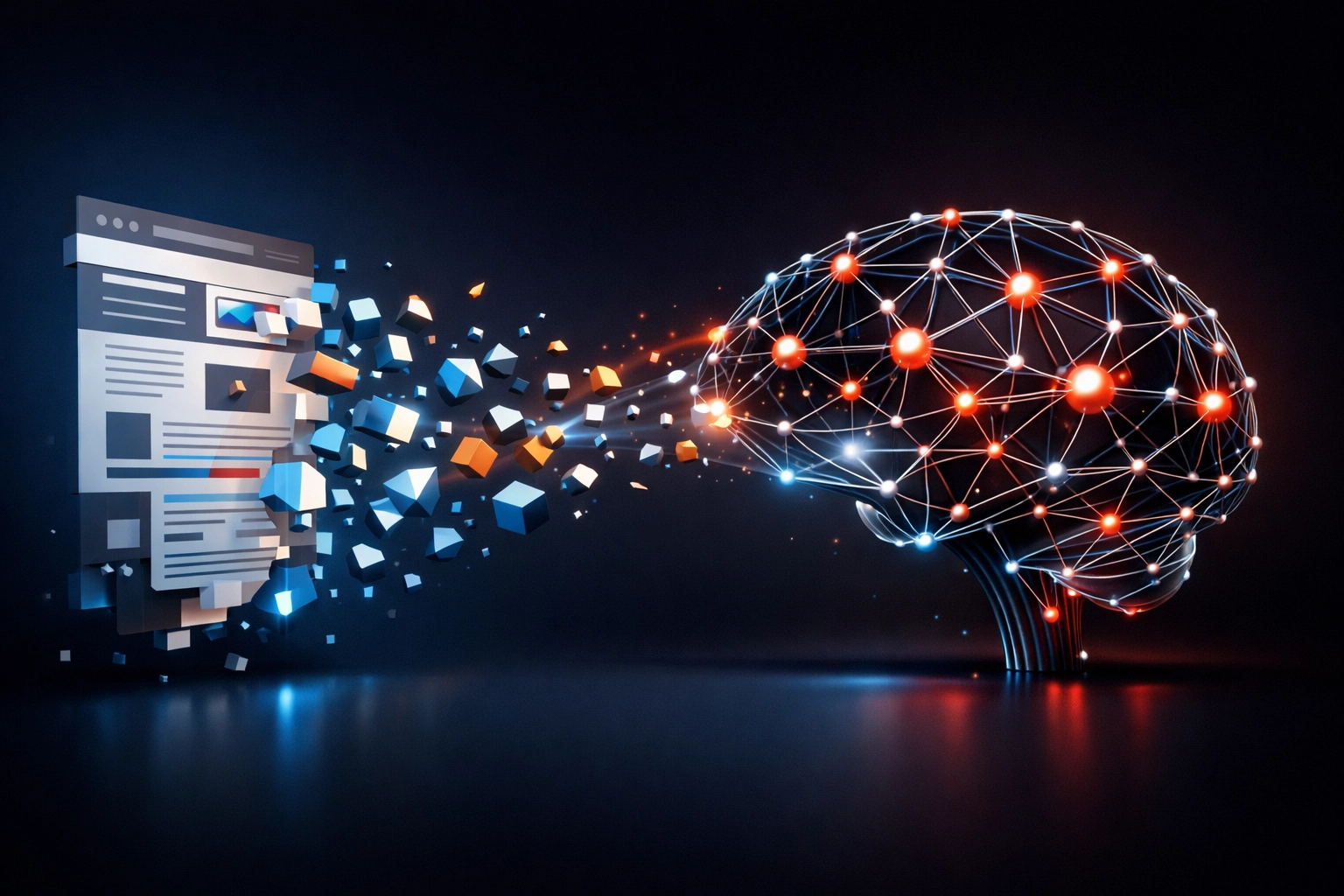
Think of your content as building blocks that AI systems can easily extract and recombine.
4. Optimize for Local Zero-Click Opportunities
For local businesses, the game has changed but it hasn't ended. Focus on:
- Google Business Profile optimization: Keep your hours, services, photos, and reviews updated religiously. This is your primary real estate in local zero-click results.
- Location-specific content: Create neighborhood guides, local resource pages, and city-specific service pages. "Web Development Services in Fort Lauderdale" is more valuable than generic "Web Development Services."
- Schema markup: Implement LocalBusiness schema, Service schema, and FAQPage schema to help Google understand exactly what you offer and where.
- Review generation: Actively collect and respond to reviews. They appear prominently in local packs and influence both AI summaries and user decisions.
5. Build Brand Search Demand
Here's the truth: branded searches (when someone specifically searches for your company name) almost always result in clicks. The strategy for 2026 isn't just ranking for keywords: it's making people want to search for your brand specifically.
Invest in:
- Thought leadership content that gets shared
- Strategic partnerships and collaborations
- Video content (especially vertical video optimized for SEO)
- Social proof and case studies that make you memorable
When someone hears about you from a colleague or sees your name in an AI Overview, you want them to come looking for you directly.
The Bottom Line: Adapt or Get Left Behind
Look, I'm not going to sugarcoat this: the comfortable days of ranking a blog post and watching traffic roll in are fading. The businesses that thrive in 2026 and beyond will be the ones that understand this fundamental shift and adapt accordingly.
Zero-click search isn't killing digital marketing: it's evolving it. The companies that figure out how to build authority and visibility in this new landscape will own their markets. The ones that keep playing by 2020 rules will wonder why their traffic keeps declining month after month.
You have a choice: Keep optimizing for yesterday's algorithm, or start building for the search experience that's actually happening today.
The data is clear. The trends are undeniable. The question is: what are you going to do about it?
If you're ready to develop a search strategy that actually works in 2026, let's talk. Because waiting another six months to figure this out means watching another 70% of your potential traffic evaporate while your competitors adapt and win.
The future of search is here. It's time to stop chasing clicks and start building the kind of visibility that actually drives business results.