
GitHub just shook up the developer world with a major pricing restructure that goes into effect in just 12 days. Starting January 1, 2026, hosted runners will cost up to 39% less, but self-hosted runners face a new $0.002 per-minute platform charge come March 1, 2026. While GitHub has postponed the self-hosted billing after community pushback, this pricing shift creates the perfect moment for small businesses and development teams to reassess their entire developer toolchain.
Here's what's really happening: and why smart teams are already exploring AI-powered alternatives like Cursor's recent Graphite acquisition.
The Numbers Behind GitHub's Pricing Changes
GitHub's restructure creates two distinct paths for development teams. For GitHub-hosted runners, the company is slashing prices by up to 39% across different machine types. The largest runners see the biggest relative savings, while smaller instances get modest reductions. This includes a new $0.002 per-minute platform charge that's already baked into the reduced pricing.
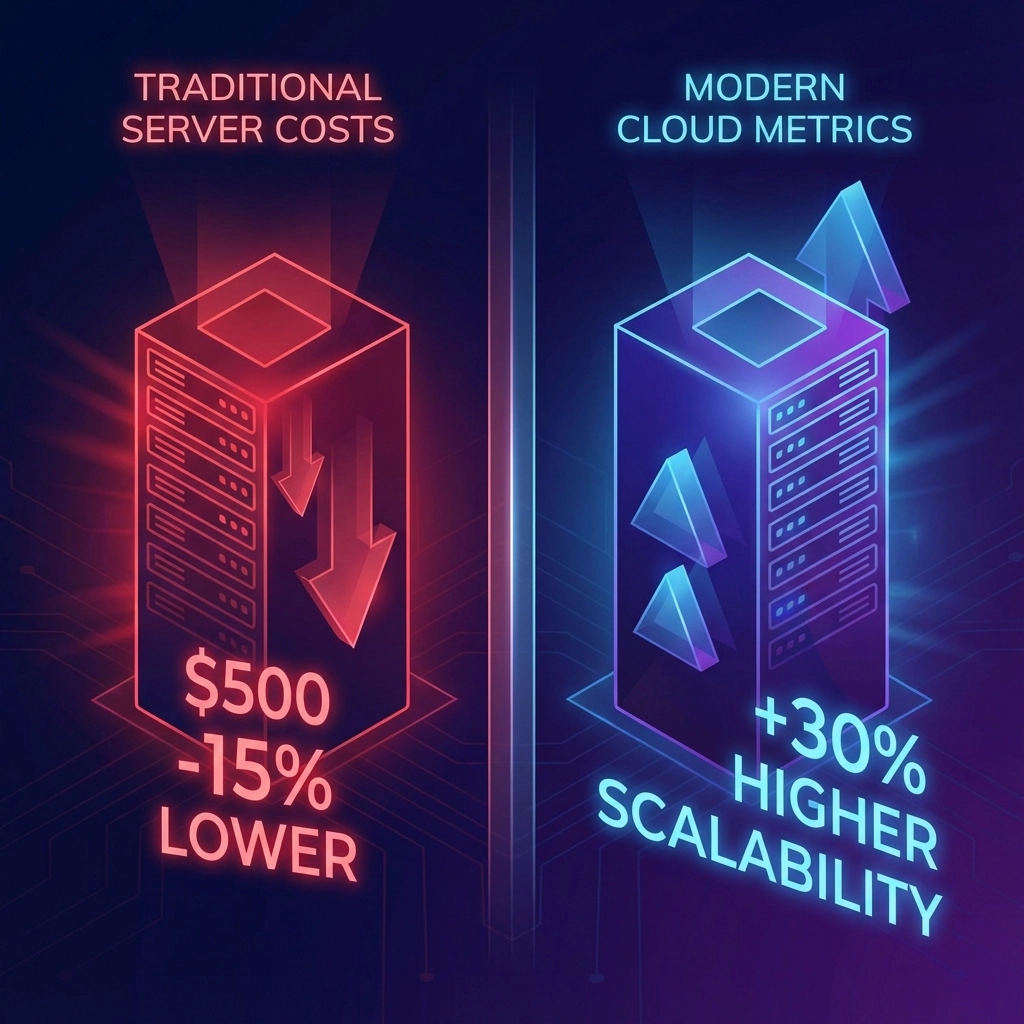
For teams running their own infrastructure, the story gets more complex. GitHub initially planned to charge $0.002 per minute for self-hosted runners: essentially billing for job orchestration, scheduling, and workflow automation that was previously free. A typical 15-person development team running 500 CI/CD jobs monthly could face $120-300 in new platform charges annually, depending on job duration.
But here's the kicker: GitHub postponed this billing change after intense community backlash. The company stated they need time to "listen to and reconsider" their approach, signaling that even GitHub recognizes they may have pushed too far, too fast.
What This Means for Small Business Development Teams
If your business relies heavily on self-hosted runners: common for teams with specific security requirements or custom infrastructure: you're now in planning limbo. The postponement buys time, but it doesn't eliminate the uncertainty.
For small businesses in South Florida and beyond, this pricing volatility highlights a bigger issue: vendor dependency. When your entire CI/CD pipeline lives inside one ecosystem, pricing changes can force expensive migrations or budget adjustments with little notice.
Consider a typical scenario: A Fort Lauderdale marketing agency with a 12-person development team runs custom deployment pipelines for client websites. They chose self-hosted runners for client data security and cost control. Now they face either accepting new monthly charges or migrating their entire workflow to avoid future surprises.
The Perfect Storm: Why Alternatives Are Gaining Traction
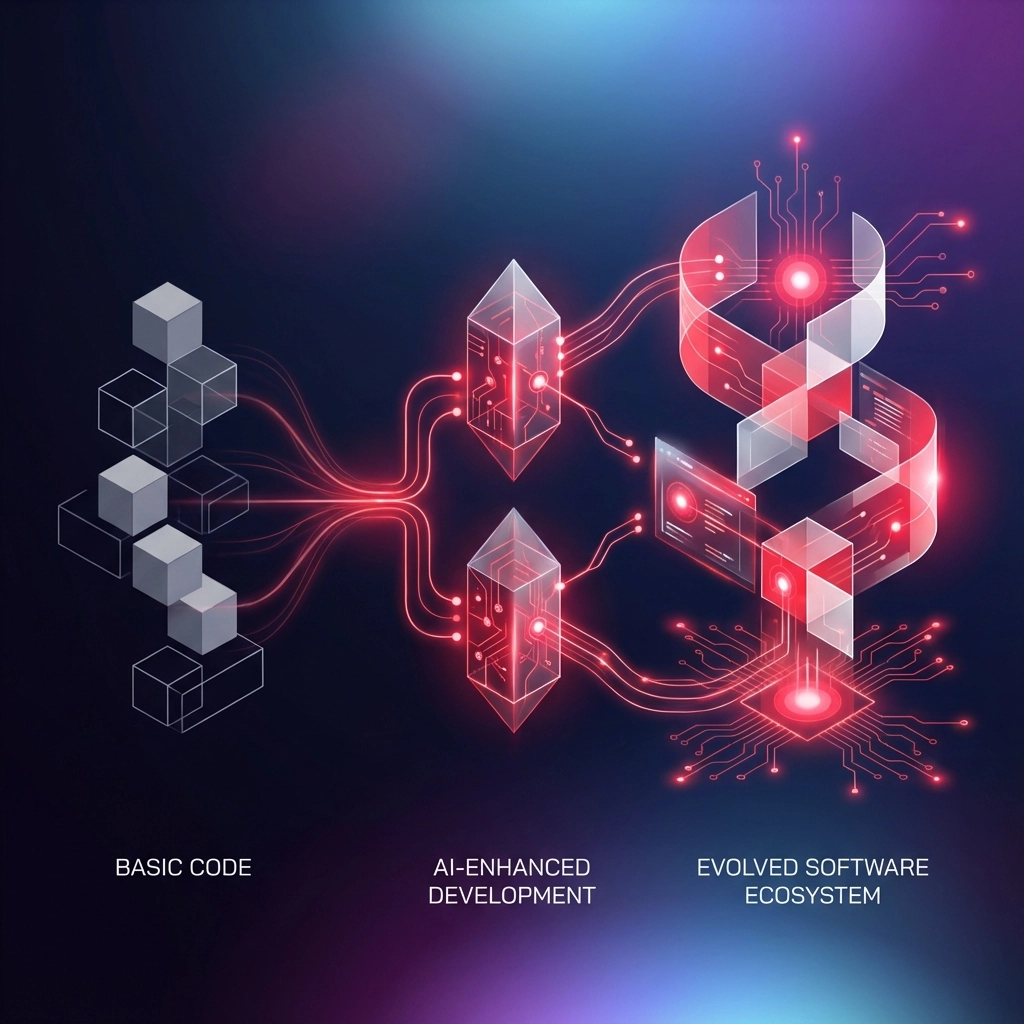
GitHub's pricing uncertainty coincides with significant innovation in developer tools. Cursor's recent acquisition of Graphite represents the emergence of AI-native development platforms that could genuinely challenge GitHub's dominance.

Graphite brings advanced "stacked pull requests" and AI-powered code review workflows that teams at Shopify and Figma already use. Cursor's integration creates an end-to-end platform where AI assists both code writing and code review: potentially faster and more intelligent than traditional GitHub workflows.
This matters because developer productivity directly impacts small business ROI. When a development team can ship features 20-30% faster through better tooling, a $50,000 annual development budget suddenly delivers $60,000-65,000 worth of output.
Real Cost Analysis: GitHub vs. Emerging Alternatives
Let's break down the real numbers for a typical small business scenario:
Traditional GitHub Setup (10-person team):
- GitHub Team plan: $4/user/month = $40/month
- Additional Actions minutes: ~$15-25/month
- Self-hosted runner costs (pending): $50-150/month
- Total: $105-215/month
AI-Native Alternative Approach:
- Cursor/Graphite platform: Est. $8-12/user/month = $80-120/month
- Integrated AI code assistance: Included
- Advanced review workflows: Included
- Total: $80-120/month + productivity gains
The math becomes even more compelling when factoring in developer time savings. If AI-assisted code review catches bugs 40% faster and stacked pull requests reduce merge conflicts by 25%, your team gains 3-5 hours weekly. For a team billing $125/hour internally, that's $1,500-2,500 monthly in reclaimed productivity.

Beyond Cost: The Strategic Advantage of AI-First Development
Small businesses can't afford to fall behind on developer productivity. While larger companies can absorb inefficiencies, a 15-person agency competing for contracts needs every advantage.
AI-powered development platforms offer capabilities that traditional GitHub workflows can't match:
Intelligent Code Review: AI identifies potential security vulnerabilities, performance bottlenecks, and maintainability issues during review: not after deployment.
Context-Aware Suggestions: Instead of generic linting, AI understands your project's specific patterns and suggests improvements that fit your codebase.
Automated Workflow Optimization: The platform learns from your team's patterns to suggest better CI/CD configurations, reducing build times and resource usage.
These aren't theoretical benefits. Teams using AI-enhanced development workflows report 25-40% faster feature delivery and 60% fewer production bugs: metrics that directly translate to competitive advantage.
What Small Businesses Should Do Right Now
The GitHub pricing uncertainty creates a strategic opportunity, but only if you act thoughtfully. Here's a practical framework for small businesses evaluating their options:
Week 1-2: Audit Your Current Costs
Calculate your actual GitHub spending including Actions minutes, storage, and any premium features. Include the hidden costs: developer time spent on manual reviews, deployment delays, and bug fixes that better tooling might prevent.
Week 3-4: Test Alternatives in Parallel
Set up pilot projects on platforms like Cursor/Graphite or other AI-enhanced development tools. Run identical workflows on both platforms to compare speed, ease of use, and output quality.

Month 2: Measure Productivity Metrics
Track specific metrics: pull request cycle time, bug detection rates, deployment frequency, and developer satisfaction scores. Small improvements in these areas compound quickly for small teams.
Month 3: Make the Migration Decision
If alternative platforms deliver measurable productivity gains that exceed cost differences, plan your migration. If GitHub's established ecosystem still provides better value, you'll have concrete data to support staying.
The Broader Shift: Developer Tools Are Becoming AI-Native
GitHub's pricing changes represent more than billing adjustments: they signal a fundamental shift in how development platforms compete. The era of simple code hosting is ending. Future platforms will differentiate through AI capabilities, workflow intelligence, and productivity enhancement.
For small businesses, this creates both opportunity and risk. Companies that embrace AI-enhanced development workflows early gain sustainable competitive advantages. Those that cling to traditional approaches risk falling behind competitors who ship features faster and with higher quality.
Taking Action: Your Next Steps
The GitHub pricing shift forces a decision most teams have been postponing: whether to stick with familiar tools or explore more advanced alternatives. For small businesses where developer productivity directly impacts profitability, this isn't just a technical decision: it's a strategic one.
Start by honestly assessing your current development workflow costs, including hidden inefficiencies. Then test AI-powered alternatives like Cursor/Graphite alongside your existing setup. The goal isn't to abandon everything immediately, but to understand what modern development tools can deliver.
Remember: the businesses that thrive in 2026 and beyond will be those that harness AI to amplify human capabilities, not those that resist change. GitHub's pricing uncertainty just gave you the perfect reason to explore what's possible.
The question isn't whether AI will transform software development: it already has. The question is whether your business will be early to benefit from that transformation or late to catch up.
If you're ready to explore how AI-enhanced development workflows could transform your team's productivity, our automation solutions help small businesses implement cutting-edge tools without the complexity. The future of development is here: and it's more accessible than you think.