
Let's be honest: your customers are tired of generic experiences.
They're tired of newsletters that recommend products they'd never buy. They're tired of landing on websites that have no idea they visited three times last week. And they're really tired of seeing the same promotional message that every other visitor sees, regardless of whether they're a first-time browser or a loyal customer ready to make their fifth purchase.
In 2026, AI personalization isn't just a nice-to-have feature that big companies like Amazon and Netflix use to impress their shareholders. It's the difference between a business that grows and one that slowly bleeds customers to competitors who actually get them.
Here's the uncomfortable truth: if you're not personalizing customer experiences at scale right now, you're already behind. But here's the good news, it's not too late to catch up, and it's way easier than you think.
The Numbers Don't Lie (And They're Pretty Dramatic)
Before we get into the how, let's talk about the why with some concrete data that'll make your CFO pay attention.
Companies implementing AI-powered personalization strategies are seeing 20% higher sales compared to businesses stuck in the one-size-fits-all era. That's not 20% more traffic or 20% more clicks, that's 20% more actual revenue.
Even more striking: 80% of customers say they're more likely to purchase when brands offer personalized experiences. Think about that for a second. Four out of five potential buyers are essentially telling you, "Show me you understand what I need, and I'll give you my money."
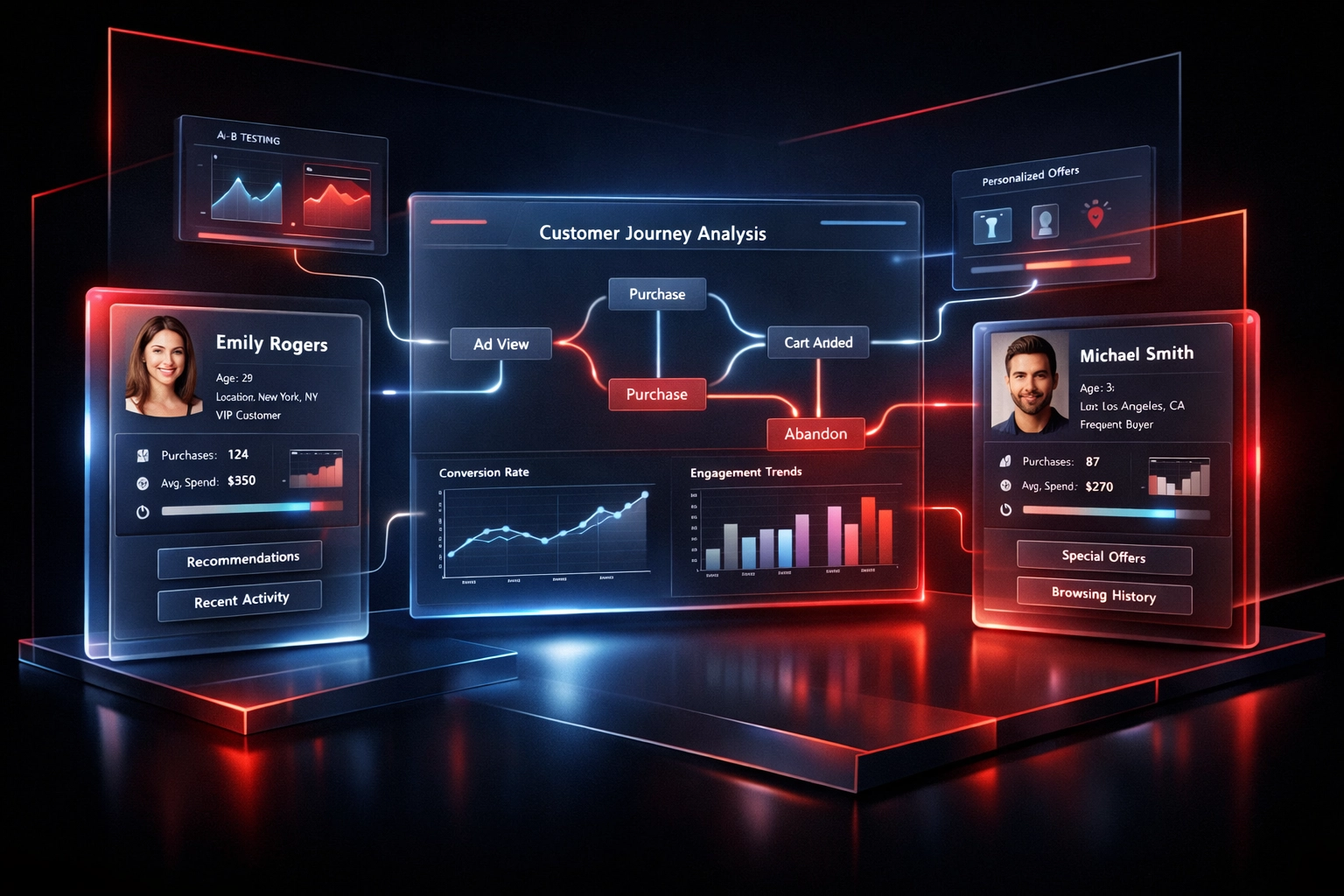
One e-commerce company we studied achieved 3x conversion rates above their industry average and a 4x increase in customer lifetime value by deploying AI that creates individualized shopping experiences. They weren't doing anything wildly complex, just analyzing behavioral signals beyond the basic "customers who bought this also bought that" recommendations.
Here's what really gets me excited: 73% of businesses agree that AI will improve their personalization strategies. The consensus is already there. The technology is ready. The only question is: are you?
What AI Personalization Actually Looks Like in 2026
Let's get specific about what we mean by "AI personalization" because I've seen too many business owners think it's just about slapping someone's first name in an email subject line.
Real AI personalization in 2026 means:
Dynamic product recommendations that consider not just what someone bought, but when they browse, how long they linger on specific pages, what they add to cart and abandon, their price sensitivity patterns, and even seasonal behaviors.
Adaptive pricing and promotions that recognize your VIP customers versus bargain hunters, early adopters versus late buyers, and adjust offers accordingly without feeling creepy or discriminatory.
Personalized content journeys where the blog posts, videos, and resources someone sees are tailored to their industry, company size, pain points, and where they are in the buying journey.
Conversational AI support that remembers previous interactions, understands context, and provides assistance that feels genuinely helpful rather than robotically scripted.
The sophistication level customers expect today isn't mind-reading magic, it's just paying attention at scale, which is exactly what AI lets you do.
The Real Cost of Waiting (Spoiler: It's Higher Than You Think)
Every month you delay implementing personalized experiences, you're not just maintaining the status quo. You're actively losing ground.
Your competitors who've already deployed AI personalization tools are getting better data, refining their models, and creating increasingly sticky customer relationships. Meanwhile, your generic approach is training your customers to expect nothing special from you, and teaching them that better experiences exist elsewhere.
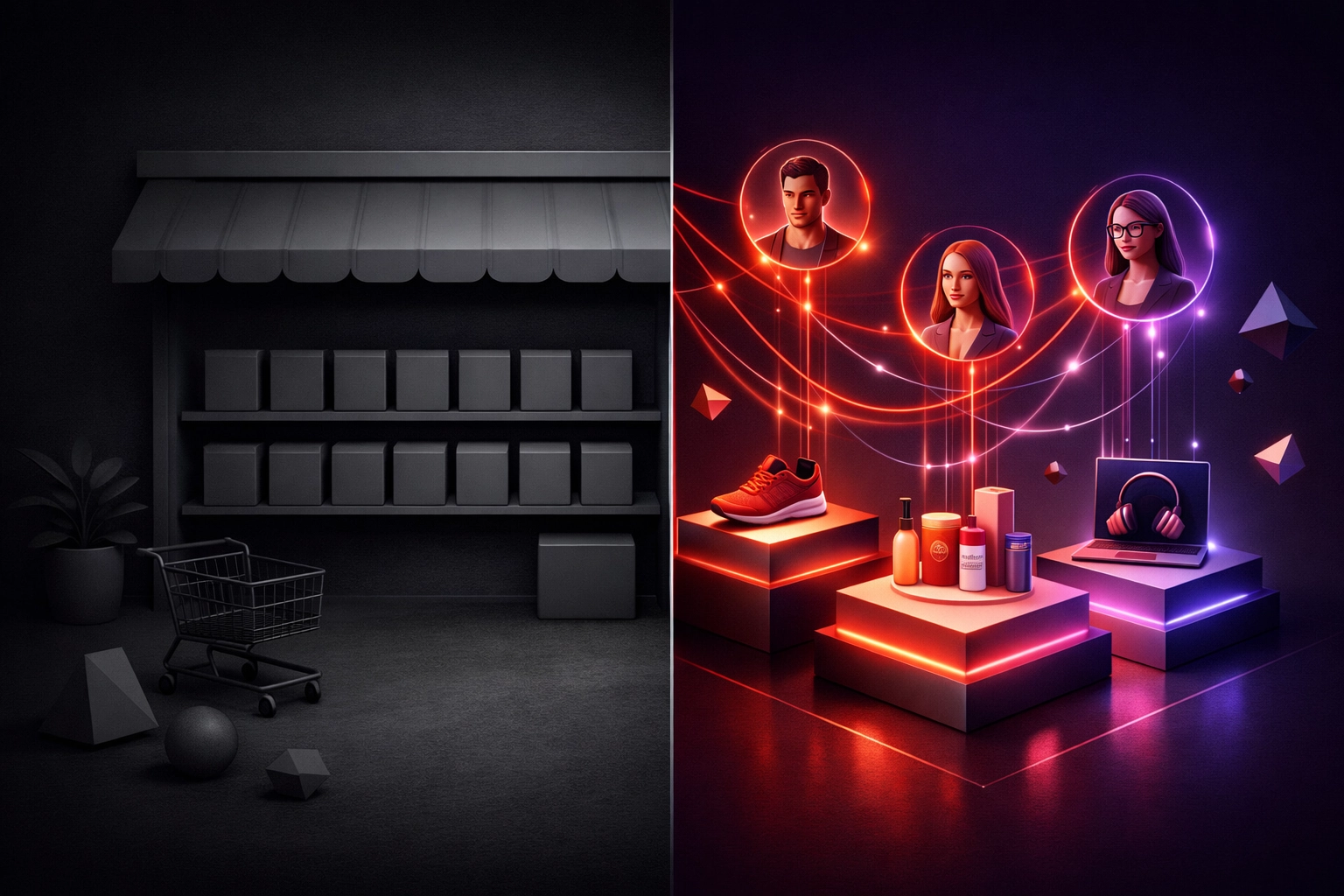
Think about customer acquisition costs for a moment. If you're spending money to drive traffic to your website or store, but those visitors experience the same generic journey as everyone else, you're essentially paying premium prices for commodity results.
When a personalized experience can increase conversion rates by 2-3x, you're either tripling the return on your marketing spend or watching two-thirds of your advertising budget vanish into disappointing bounce rates and abandoned carts.
And here's something most business owners miss: personalization isn't just a top-of-funnel play. Customer retention is where the real money lives. When customers feel understood and valued through personalized experiences, they stick around. They buy more frequently. They spend more per transaction. They become evangelists who bring you referral business.
One SaaS company saw their activation rates jump 35% in just two quarters by implementing AI-powered onboarding personalization. That's 35% more paying customers from the same number of sign-ups, no additional ad spend required.
How to Actually Get Started (Without Spending Six Months in Analysis Paralysis)
Alright, enough about why this matters. Let's talk about what you can actually do this week.
Start with customer recommendations. This is the lowest-hanging fruit and the fastest path to ROI. Use AI tools to analyze browsing history, purchase patterns, and stated preferences to recommend products or services. You don't need to build your own machine learning models from scratch, platforms like Shopify, WooCommerce, and HubSpot have AI recommendation engines you can activate in under two hours.
Segment your marketing intelligently. Stop sending the same email blast to your entire list. Use AI-powered segmentation tools to automatically group customers based on behavior, not just demographics. Someone who browses your pricing page five times but hasn't purchased needs a different message than someone who bought from you six months ago but hasn't returned.
Deploy conversational AI for customer service. I know, chatbots have a bad reputation because most of them are terrible. But 2026's AI assistants are legitimately helpful. They can handle common questions, provide personalized recommendations, and escalate to humans when needed, all while learning from every interaction. Bank of America's virtual assistant "Erica" handles millions of inquiries and improves customer satisfaction while reducing support costs.
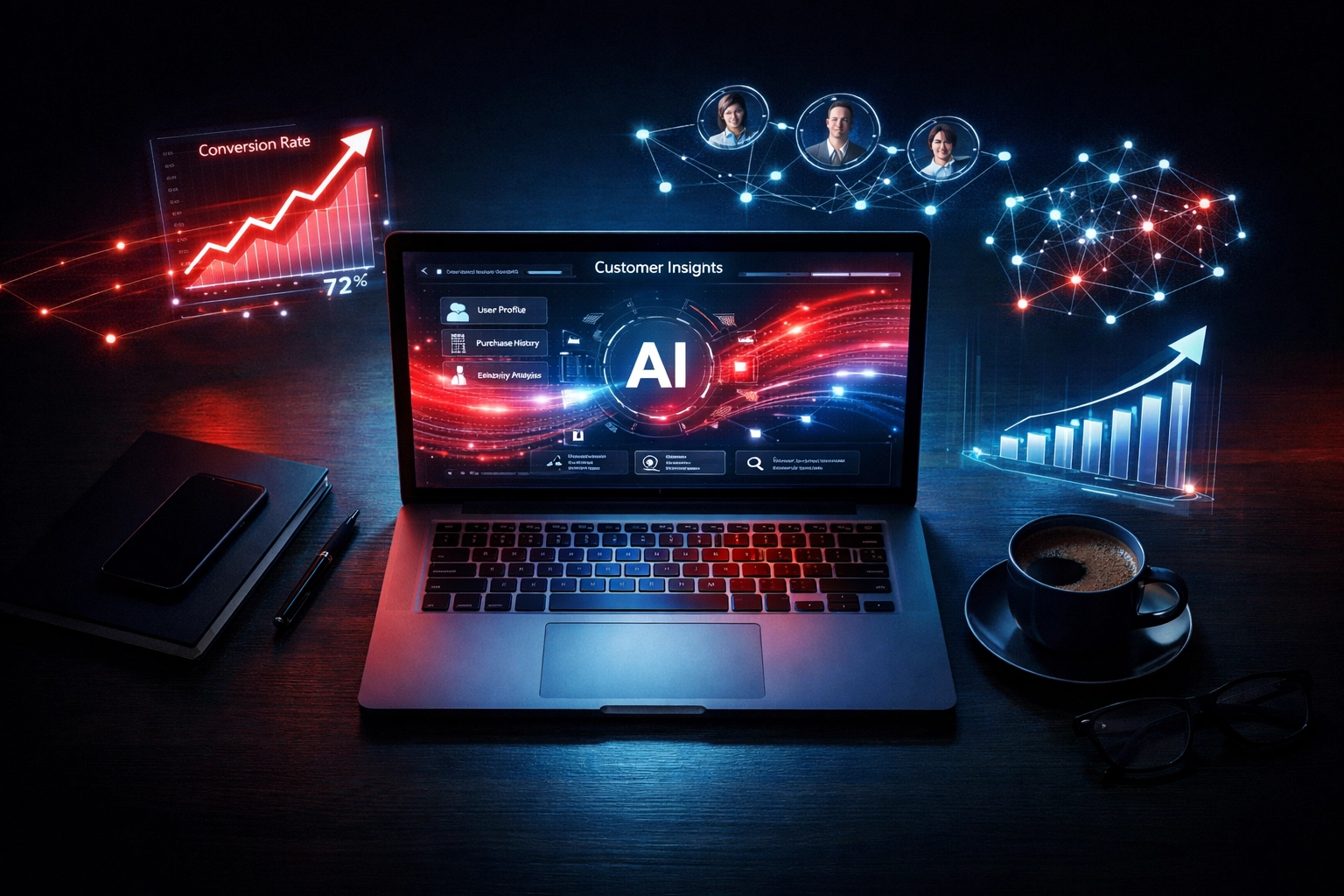
Personalize your website experience. Show different homepage content based on whether someone is a first-time visitor or a returning customer. Highlight different products or services based on the referral source. Adjust your messaging based on the device someone's using or the time of day they visit.
Look at how Sephora approaches this: their Virtual Artist tool lets customers try makeup digitally while receiving personalized beauty advice. They've turned a simple try-before-you-buy concept into a personalized experience that drives both engagement and sales.
The Technology Is Finally Accessible (Yes, Even for Your Business)
Here's what's changed dramatically in the past few years: AI personalization used to require massive budgets, data science teams, and enterprise-level infrastructure. Not anymore.
The cost of implementing AI has dropped so significantly that businesses of all sizes can access sophisticated personalization technology through affordable SaaS platforms. You don't need a seven-figure budget or a team of PhDs. You need a willingness to experiment and a commitment to using customer data responsibly.
Even retailers like H&M use AI-powered chatbots to answer customer queries and provide product recommendations during the shopping journey. If fast fashion retailers serving millions of customers can make this work profitably, so can you.
The tools exist. The costs are reasonable. The ROI is proven. The only remaining barrier is decision-making speed.
What Happens If You Don't Act
I'm not trying to scare you, but let's be realistic about what the next 12 months look like if you maintain generic, non-personalized customer experiences.
Your customer acquisition costs will continue climbing as ad platforms get more competitive and customers become more selective. Your conversion rates will stagnate or decline as competitors offer increasingly sophisticated experiences. Your customer lifetime value will plateau because there's nothing keeping people engaged beyond price and convenience: both of which are easily matched.
Most importantly, you'll train an entire generation of potential customers that your brand doesn't understand them or value their individual needs. That's not a deficit you can overcome with a single promotional campaign or product launch.
Your Next Steps (Start This Week, Not Next Quarter)
If you take nothing else from this article, take these three action items:
This week: Audit your current customer journey. Where are you treating everyone the same when you should be personalizing? Your email marketing is probably the easiest place to start making improvements.
This month: Choose one AI personalization tool to implement. Pick the area with the highest potential ROI: usually product recommendations for e-commerce or content personalization for service businesses. Learn more about automation solutions that can integrate with your existing tech stack.
This quarter: Measure, optimize, and expand. Track the specific metrics that matter: conversion rates, customer lifetime value, retention rates: and use those results to justify expanding personalization across more touchpoints.
The businesses thriving in 2026 aren't necessarily the ones with the best products or the biggest marketing budgets. They're the ones that make every customer feel like the experience was designed specifically for them.
That capability is within reach right now. The question is: will you grab it, or will you watch your competitors build unassailable advantages while you're still sending the same generic message to everyone on your list?
The choice is yours. But it's a choice you need to make today, not tomorrow.