
Here's a reality check: Your customer just spent 10 minutes explaining their problem to your support team. Then they get transferred. And guess what? They have to explain everything again from scratch.
74% of customers get frustrated when this happens. And honestly? They should be.
But here's what's changing in 2026: AI-powered personalization isn't just preventing these annoying moments anymore. It's completely rewriting how businesses connect with customers, before problems even happen.
What AI Personalization Actually Looks Like Now
Forget the basics. We're way past "Hi [First Name]" emails and product recommendations based on last month's purchase.
The AI systems businesses are using today can predict what your customer needs before they ask for it. They're analyzing conversation patterns, purchase history, browsing behavior, and support tickets in real-time: then adjusting everything from tone to product suggestions on the fly.
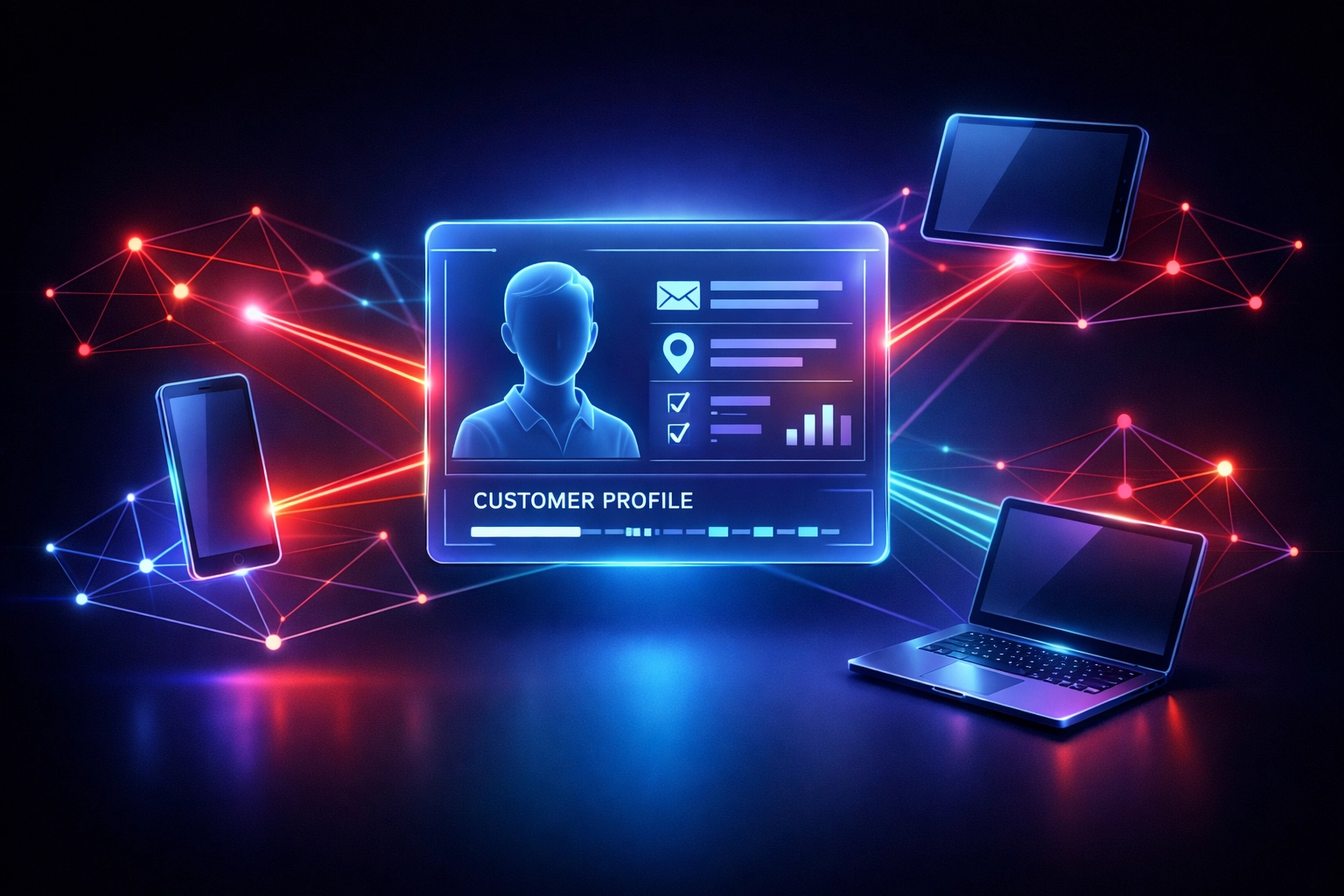
Here's a real example: A customer service AI notices someone browsing your FAQ section about shipping policies for the third time this week. Instead of waiting for them to reach out, the system proactively sends a personalized message with tracking information and estimated delivery updates for their specific order. Problem solved before the customer even had to ask.
This isn't science fiction. This is what's happening right now in 2026.
The Shift From Reactive to Proactive Service
Traditional customer service has always been reactive. Customer has problem → Customer contacts you → You solve problem. Rinse and repeat.
AI personalization flips this completely.
The new model anticipates issues before they become problems. Systems are monitoring customer behavior patterns and flagging potential friction points automatically. Your AI notices someone abandoned their cart three times at the same checkout step? It's already identifying the issue and suggesting a fix.
The research backs this up: Organizations using multimodal AI (systems that process text, voice, and other inputs together) are seeing resolution times drop by up to 40% compared to old text-only systems. That's not a small improvement: that's transformative.
What Your Customers Actually Expect Now
Let's talk numbers, because they're eye-opening:
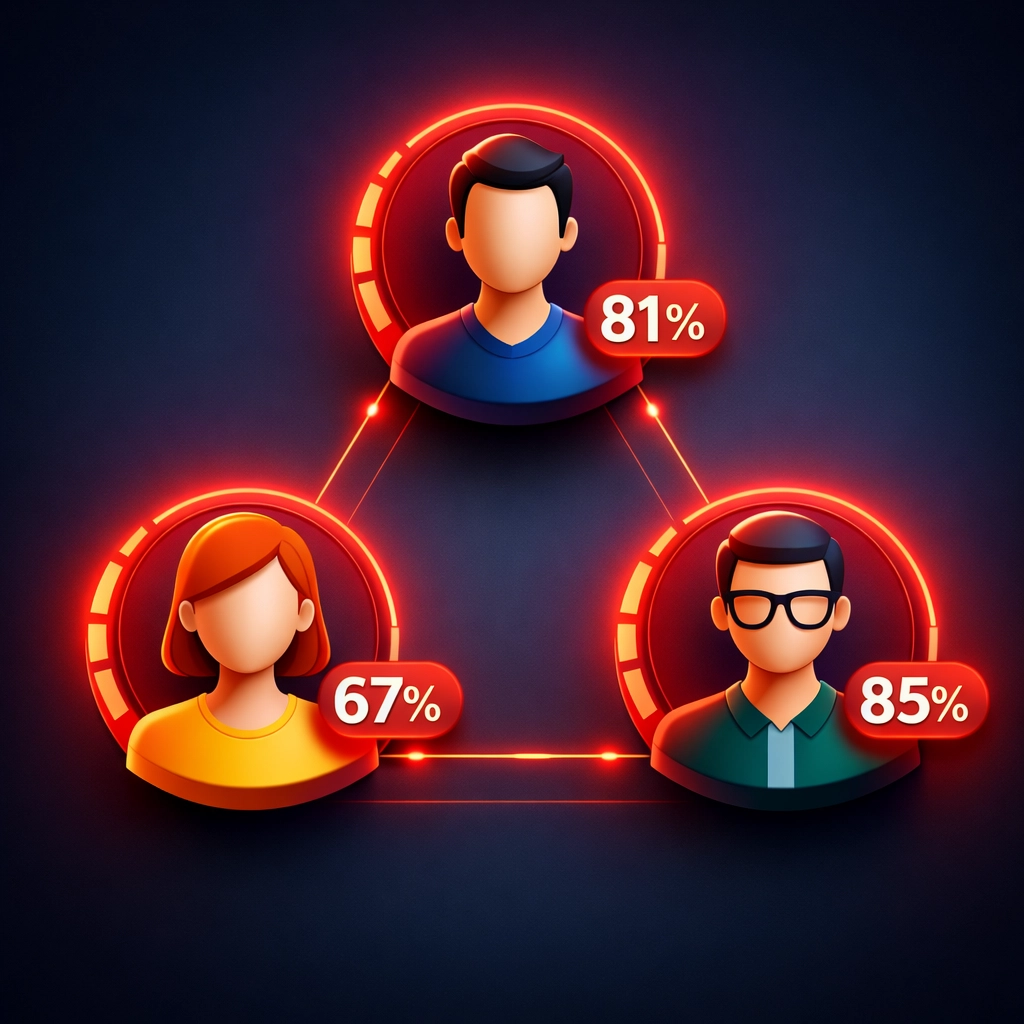
81% of consumers expect you to pick up where you left off. They don't care if they switched from chat to phone to email. They want continuity.
67% expect you to tailor support based on what happened before. If they bought something last week and had an issue, they shouldn't have to explain their entire purchase history again.
And here's the kicker: 85% of customers will abandon your brand if you can't resolve their issue on first contact.
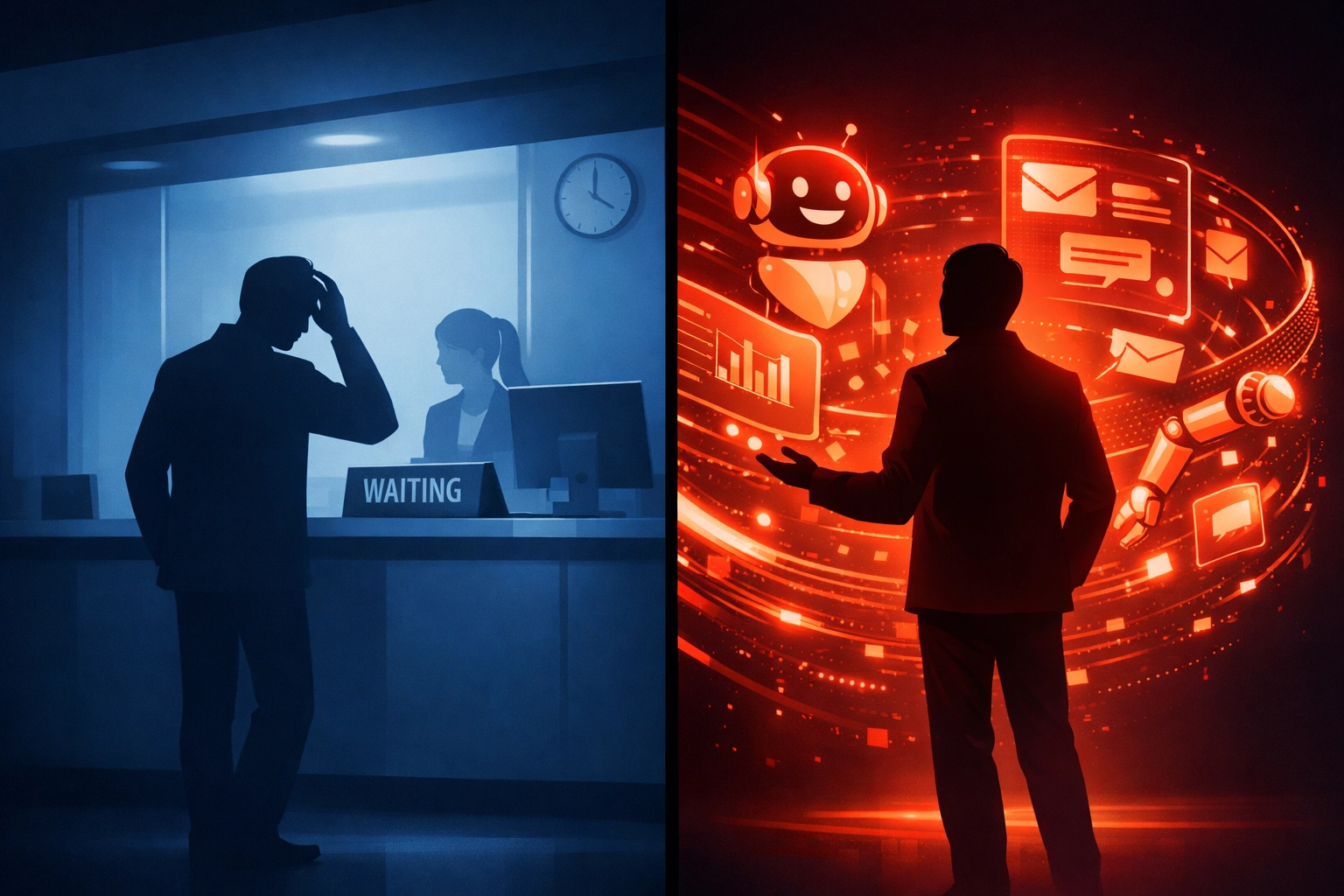
That's not customer service anymore. That's customer retention or customer loss: there's no middle ground.
Think about your own business for a second. How many times have customers had to repeat themselves? How many leads went cold because your follow-up wasn't personalized enough? How much revenue have you lost because the experience felt generic?
The Measurable Impact on Your Bottom Line
Let's get practical. What does AI personalization actually do for your business operations?
Average handling time decreases by around 20% when AI systems can automatically answer questions and route complex issues to the right person immediately. That's 20% more capacity for your team without hiring anyone new.
Response quality improves across the board. Your customers get consistent, accurate information whether they reach out at 9 AM on Monday or 11 PM on Friday. The AI doesn't get tired, doesn't forget details, and doesn't give different answers to the same question.
86% of consumers say responsiveness and accuracy strongly influence their purchasing decisions. Translation: Get this right, and you're not just keeping customers happy: you're directly impacting whether they buy from you or your competitor.
For small and mid-sized businesses, this levels the playing field. You can deliver the kind of personalized experience that used to require massive support teams and enterprise-level resources.
Real-World Applications You Can Implement
So what does this look like in practice for a business owner reading this?
E-commerce: Your AI tracks browsing patterns and purchase history to send perfectly timed recommendations. Not generic "people also bought" lists, but actual personalized suggestions based on individual customer preferences and behaviors.
Service businesses: Client communications automatically adjust based on previous interactions. If a customer prefers detailed technical explanations, they get that. If another wants quick bullet points, the AI adapts.
B2B sales: Lead nurturing becomes truly personalized. Your system tracks which content prospects engage with, what questions they ask, and adjusts follow-up messaging accordingly: at scale.
Local businesses: Even if you're running a service business in South Florida, AI personalization helps you remember customer preferences, service history, and communication styles without maintaining complicated spreadsheets.
The Trust Factor Nobody's Talking About
Here's something crucial: Personalization only works when customers trust you with their data.
The businesses winning in 2026 aren't just implementing AI: they're being transparent about how they use it. They're giving customers control over their data. They're making privacy policies actually readable.
Organizations that deploy personalization responsibly are gaining trust with customers, employees, and regulators. That trust translates directly into customer lifetime value and brand loyalty.
How to Start (Without Overwhelming Your Team)
You don't need to overhaul your entire operation tomorrow. Start with one customer touchpoint that's causing the most friction.
Is it your email follow-ups? Start there with AI-powered personalization based on customer behavior and preferences.
Is it support tickets piling up with repeated questions? Implement an AI system that learns from past conversations and provides consistent answers.
Is it abandoned carts? Use AI to analyze why people are leaving and create personalized recovery campaigns.
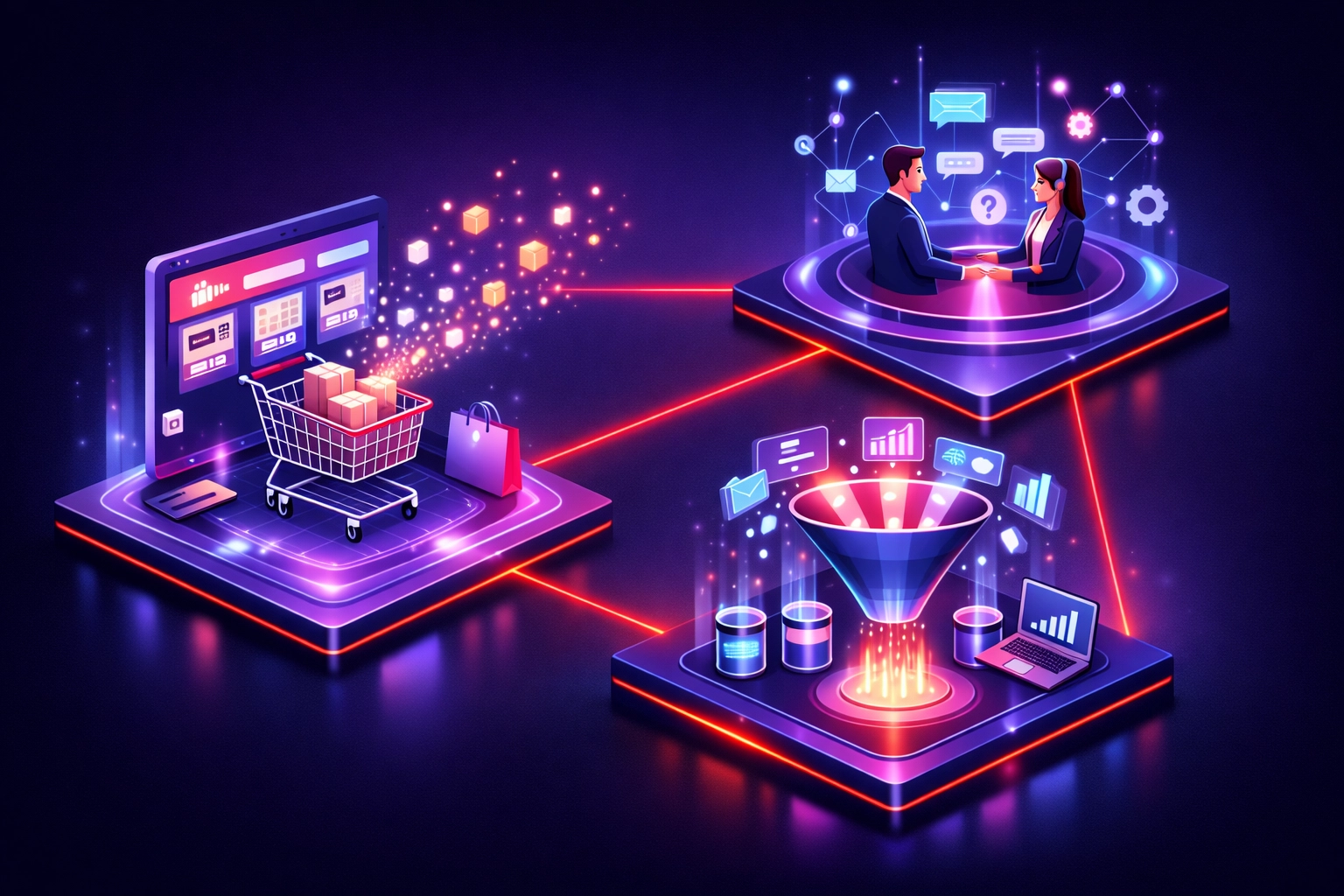
The key is to start specific, measure results, then expand. Track your baseline metrics now: response times, customer satisfaction scores, conversion rates: so you can measure real improvement.
The Competitive Reality
Here's the uncomfortable truth: Your competitors are already doing this.
The businesses that embrace AI-powered personalization in 2026 aren't just improving customer experience: they're fundamentally changing customer expectations across entire industries. Once customers experience truly personalized service, they expect it everywhere.
If you're still treating personalization as a "nice to have" feature, you're already behind. The question isn't whether to implement AI personalization: it's how quickly you can do it effectively.
What This Means for Your Business This Year
By the end of 2026, the gap between businesses using sophisticated AI personalization and those still running basic automation will be massive.
The good news? You still have time to be on the right side of that gap.
The businesses that will thrive aren't necessarily the biggest or the ones with the most resources. They're the ones that understand their customers deeply and use AI to deliver that understanding at scale.
Start by auditing your current customer touchpoints. Where are people getting frustrated? Where are you losing deals? Where could personalized communication make the biggest difference?
Then take one step. Just one. Implement AI personalization in that single area, measure the impact, and build from there.
Your customers are ready for this level of connection. The question is: Is your business?
Ready to transform how you connect with customers? Learn how automation solutions can help your business deliver personalized experiences at scale.